
Can You Have Glaucoma With Completely Normal Eye Pressure?
Posted by: Invision Optometry in Category Eye Health, Glaucoma

When you think about glaucoma, eye pressure is probably one of the first things that comes to mind. Eye pressure is often the number people associate with the disease, but there’s a lot more to understanding your glaucoma risk.
From family history to changes in your optic nerve, several factors can influence your eye health. And some of them might surprise you!
5 Things Most People Don’t Know About Glaucoma and Normal Eye Pressure

1. You Can Have Glaucoma Even With Normal Eye Pressure
Yes! It’s called normal-tension glaucoma, and it occurs when the optic nerve becomes damaged despite eye pressure readings that fall within the typical range of 10–21 mmHg.
Glaucoma affects the optic nerve, which carries visual information from your eyes to your brain. While elevated eye pressure is a major risk factor, it’s not the only factor involved. Individual differences in optic nerve sensitivity and other biological factors may also play a role.
In fact, two people can have the same eye pressure, yet only one may develop glaucoma.
The takeaway: Normal eye pressure doesn’t guarantee a healthy optic nerve.

2. Glaucoma Can Develop Without Noticeable Symptoms
Glaucoma is often called the “silent thief of sight” because it can damage your vision gradually without obvious warning signs. And here’s something many people don’t realize: you typically can’t feel high eye pressure. Even when pressure inside your eyes is elevated, you may not experience any discomfort or notice a change in how you see.
Early damage often affects peripheral (side) vision, making changes difficult to recognize in everyday life. You may continue reading, driving, and working without realizing anything has changed.
The takeaway: Don’t wait until you notice vision problems or feel discomfort to have your eyes examined.
3. Your Eye Pressure Can Fluctuate Throughout the Day
Eye pressure doesn’t stay exactly the same around the clock. It can fluctuate throughout the day and night, including during sleep.
This means your pressure could be normal during your appointment but higher at another time.
If your eye doctor suspects glaucoma despite normal pressure readings, additional measurements may sometimes help identify these fluctuations.
The takeaway: One normal pressure reading is only a snapshot of what’s happening in your eyes.

4. Your Family History and Corneal Thickness Matter
Two things that can influence your glaucoma risk might surprise you: your family history and the thickness of your cornea. If a parent or sibling has glaucoma, your risk of developing the condition is higher. Other risk factors include increasing age and inherited traits, such as differences in the structure of your optic nerve or the way fluid drains from your eyes.
Your cornea, the clear front surface of your eye, can also affect how eye pressure is measured. People with thinner corneas may have pressure readings that underestimate their actual eye pressure when measured using standard methods. Thinner corneas are also associated with a higher risk of developing glaucoma.
A test called pachymetry measures corneal thickness and gives your eye doctor another piece of information when evaluating glaucoma risk.
The takeaway: Your eye pressure reading needs to be considered alongside your family history, corneal thickness, and other examination findings.
5. Detecting Glaucoma Takes More than a Pressure Test
If normal eye pressure doesn’t rule out glaucoma, what else should your eye doctor check?
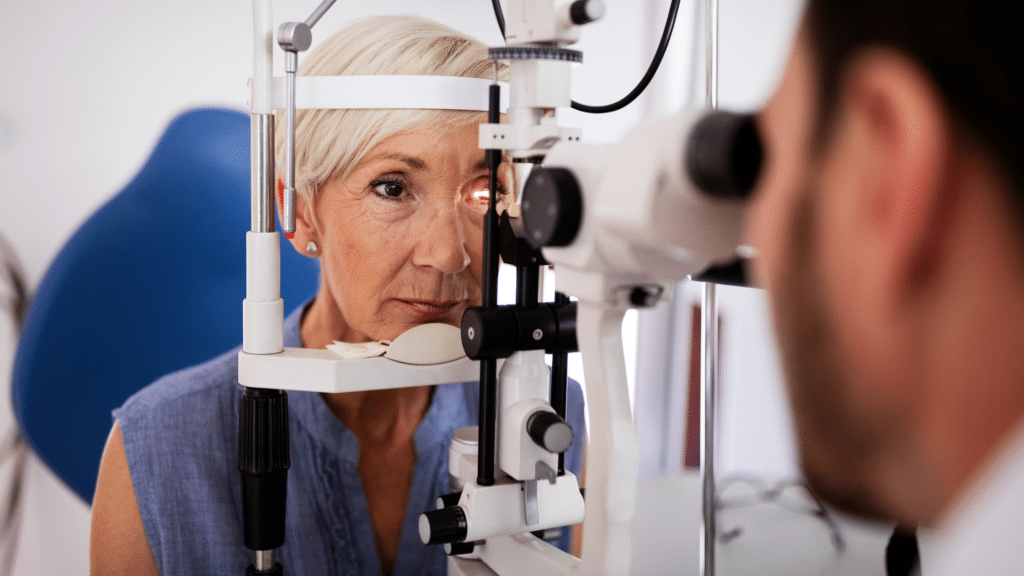
A comprehensive glaucoma evaluation looks at the health of your optic nerve and checks for signs of damage or changes in your vision.
Depending on your risk factors and examination findings, testing may include:
- Optic nerve examination: Looks for signs of damage to the nerve that carries visual information to your brain.
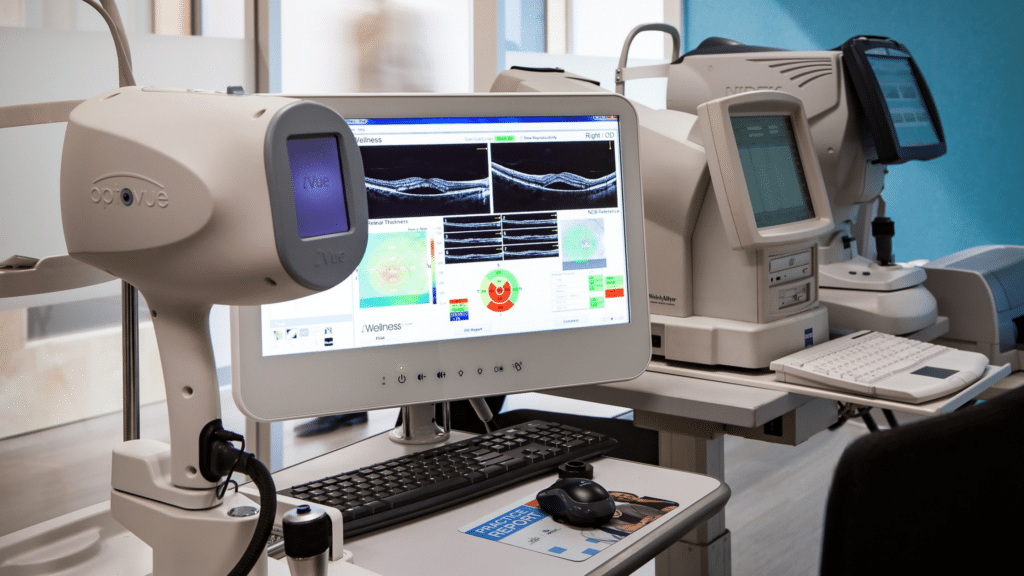
- OCT imaging: Takes detailed images of the retina and optic nerve to look for thinning or other changes. We recommend this test as a screening for all of our patients during their comprehensive eye exam.
- Visual field testing: Checks for areas of reduced or missing vision, including your peripheral vision.
- Eye pressure testing: Measures the pressure inside your eyes and is preformed at every eye exam.
- Corneal thickness testing: Measures the thickness of the clear front surface of your eye.
If glaucoma is detected, treatment may include prescription eye drops, laser procedures, or surgery, depending on the individual.
Although glaucoma-related vision loss cannot currently be reversed, early diagnosis and appropriate treatment can help slow or prevent further damage.
The takeaway: A thorough eye examination looks at more than your eye pressure. It helps your doctor understand the bigger picture of your eye health.
Don’t Let One Number Tell the Whole Story
Normal eye pressure is reassuring, but it doesn’t tell you everything about your eye health. Your optic nerve, family history, and other risk factors matter, too.
If glaucoma runs in your family or you’re due for a comprehensive eye examination, come see us. We’re here to help.
Simply give us a call at 619.222.2020 or book online to schedule your eye exam today!


